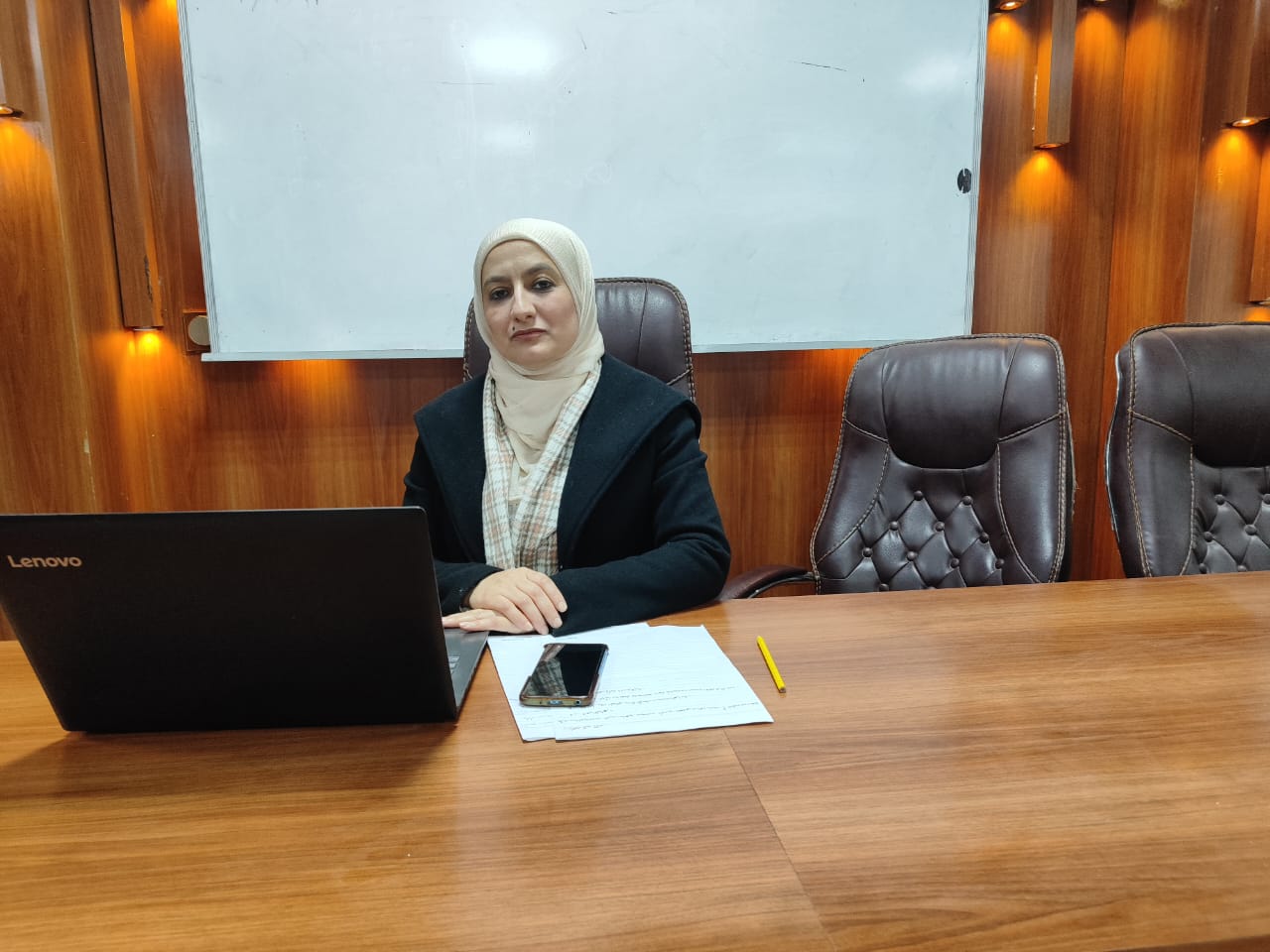
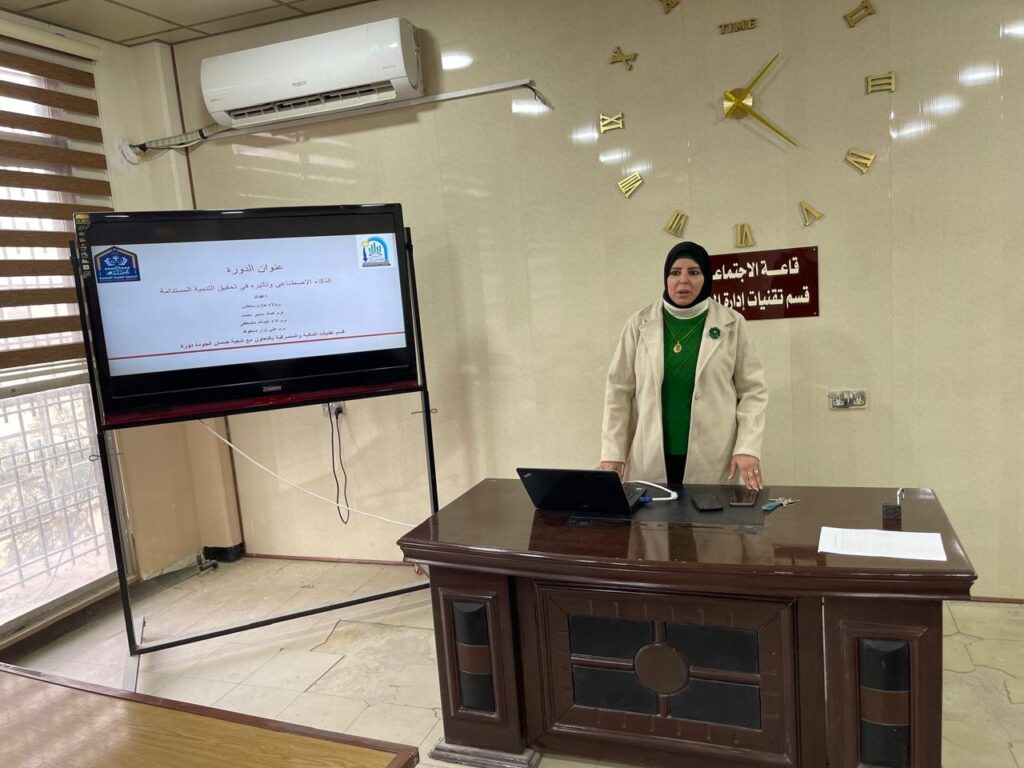
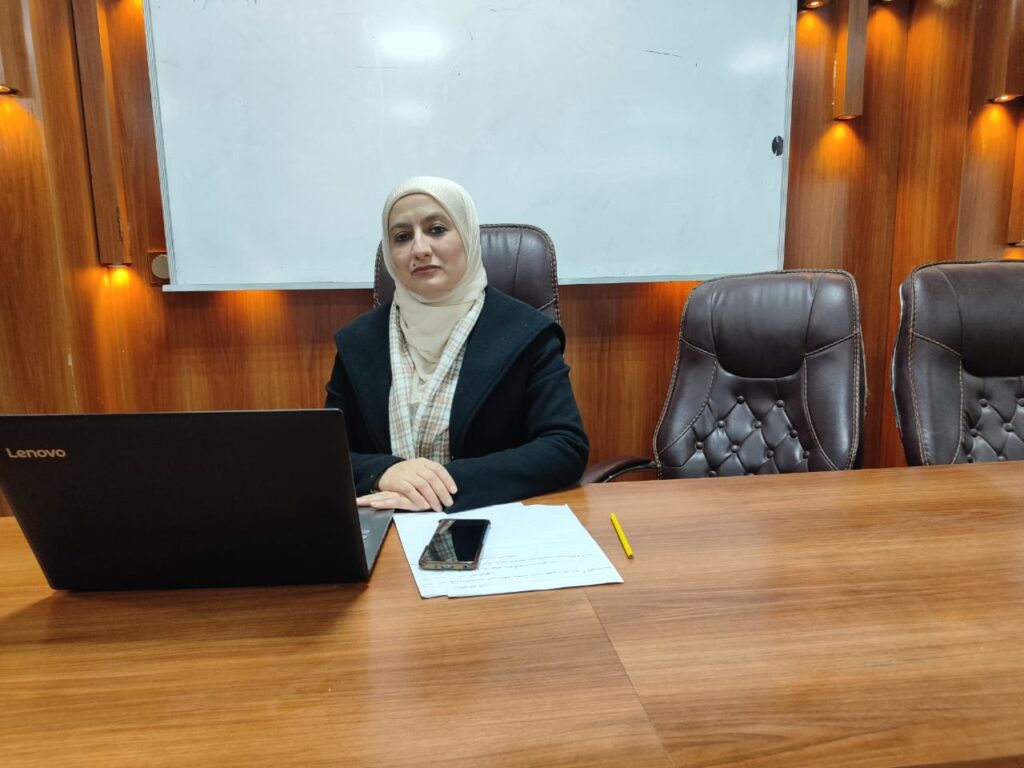
The University Quality Assurance and Performance Division organizes a course entitled (Artificial Intelligence and its Impact on Achieving Sustainable Development)
Under the patronage of the President of Northern Technical University, Professor Dr. Alia Abbas Ali Al-Attar, and the supervision of the Dean of the Nineveh Technical Management Institute, Assistant Professor Dr. Ali Ghanem Ayoub, and in cooperation with the University’s Quality Assurance and Performance Department, and as part of the sustainable development activities for the academic year 2025-2026, the University Quality Assurance and Performance Division, in cooperation with the Institute’s Department of Financial and Banking Technologies, held a course entitled (Artificial Intelligence and its Impact on Achieving Sustainable Development).
Artificial intelligence contributes significantly to achieving sustainable development by improving the management of natural resources, promoting the use of renewable energy, supporting the healthcare and education sectors, developing smart cities and sustainable transportation, as well as its role in supporting decision-making, solving complex problems, and enhancing economic and social innovation, thus achieving a balance between the economic, social, and environmental dimensions of sustainable development.
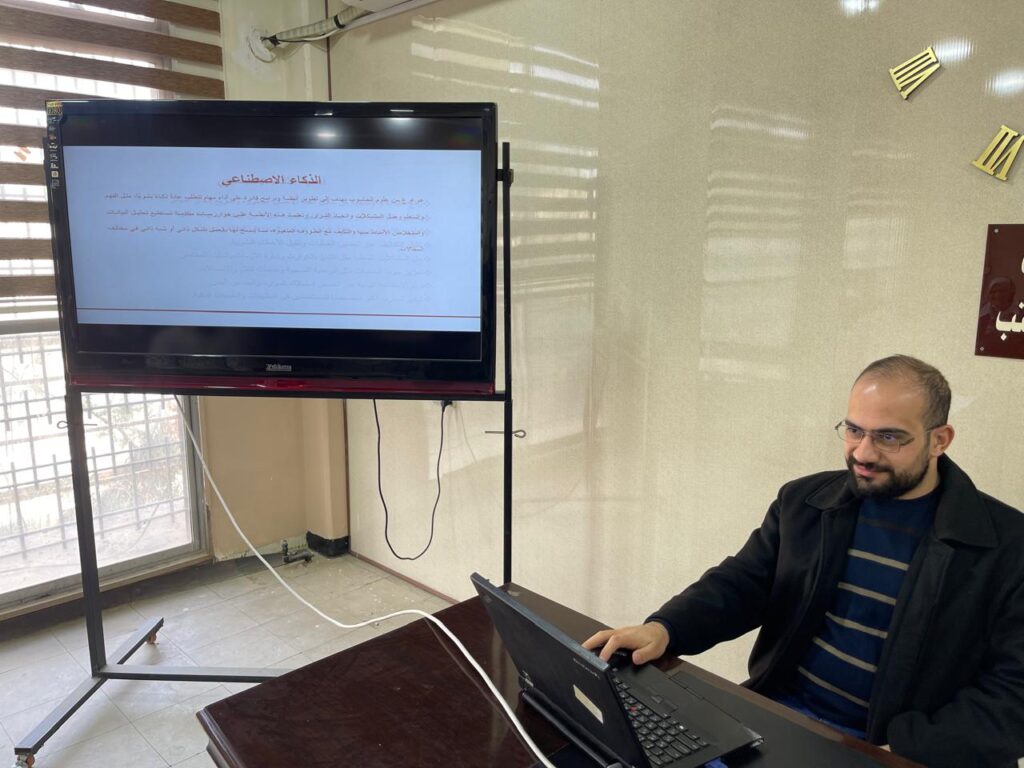
In this context, the scientific course addressed the concept of artificial intelligence (AI) and its role in supporting and achieving sustainable development. AI is considered a key driver of contemporary digital transformation due to its ability to analyze big data, improve efficiency, and provide smart solutions to environmental, economic, and social challenges. The course aimed to enhance fundamental knowledge of AI concepts and applications, and to develop skills in employing smart technologies to address real-world problems and make data-driven decisions.
The course highlighted the importance of employing AI in supporting the Sustainable Development Goals (SDGs) by improving the quality of education, enhancing healthcare, and supporting production efficiency and economic growth. It also emphasized AI’s role in assisting governments and institutions to formulate more precise and balanced development policies, in line with global trends toward comprehensive and sustainable development.
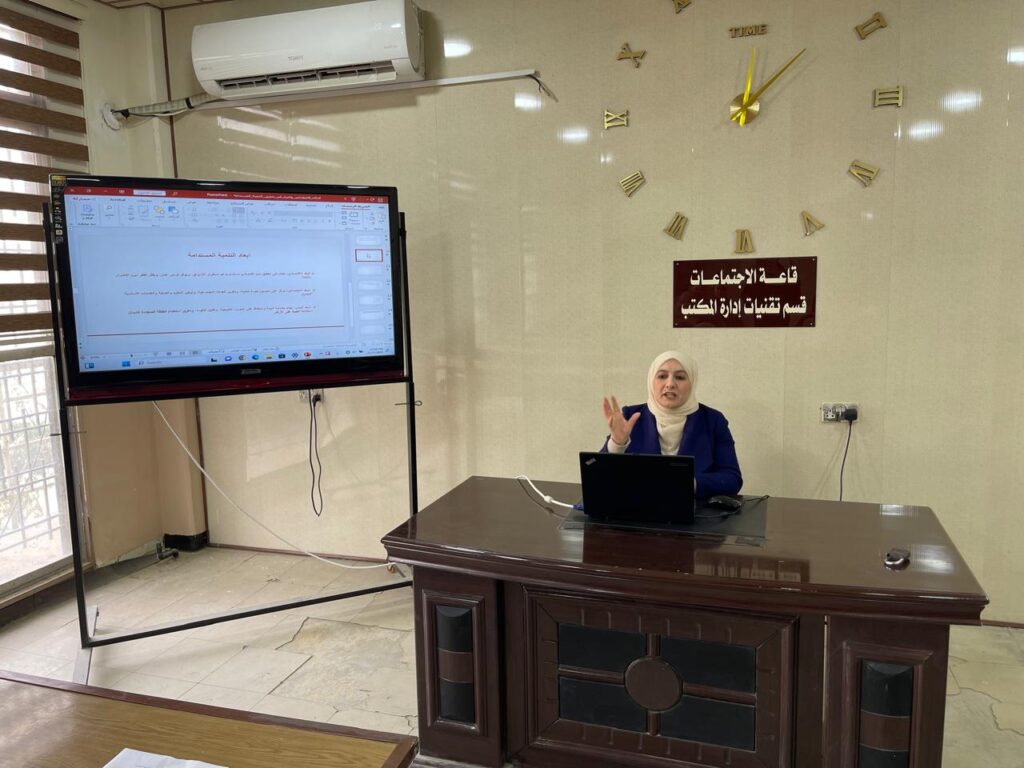
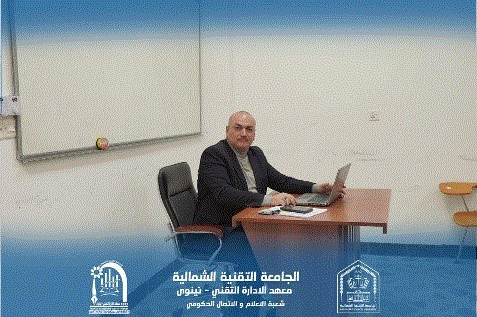
Furthermore, the course underscored the responsibility of ethical use and good governance in AI technologies, and the importance of preparing qualified personnel capable of meeting the demands of the future labor market. The presentation included a discussion of the concept of AI, its objectives and components, and the concept of sustainable development, its dimensions and goals. It also demonstrated the extent of AI’s impact and its ability to contribute effectively to achieving sustainable development.
The following individuals attended the course:
Lecturer Dr. Walaa Hazem Sultan
Assistant Lecturer Alaa Abdullah Mustafa
Assistant Lecturer Emad Samir Nemat
Assistant Lecturer Ali Nizar Mahfouz
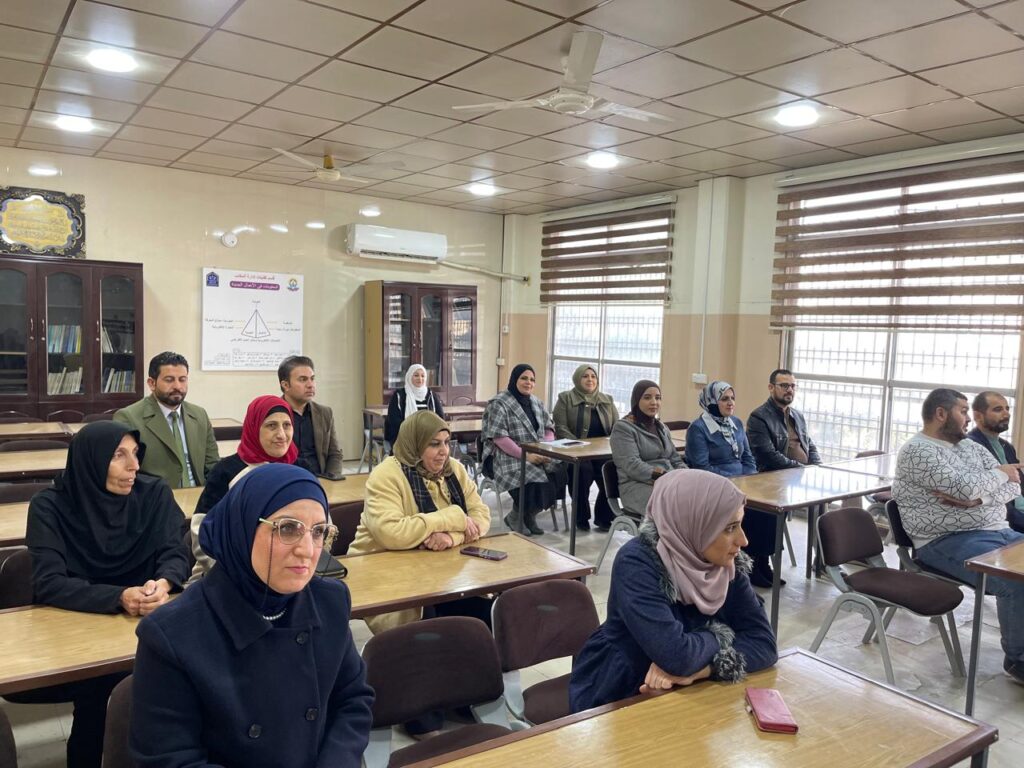
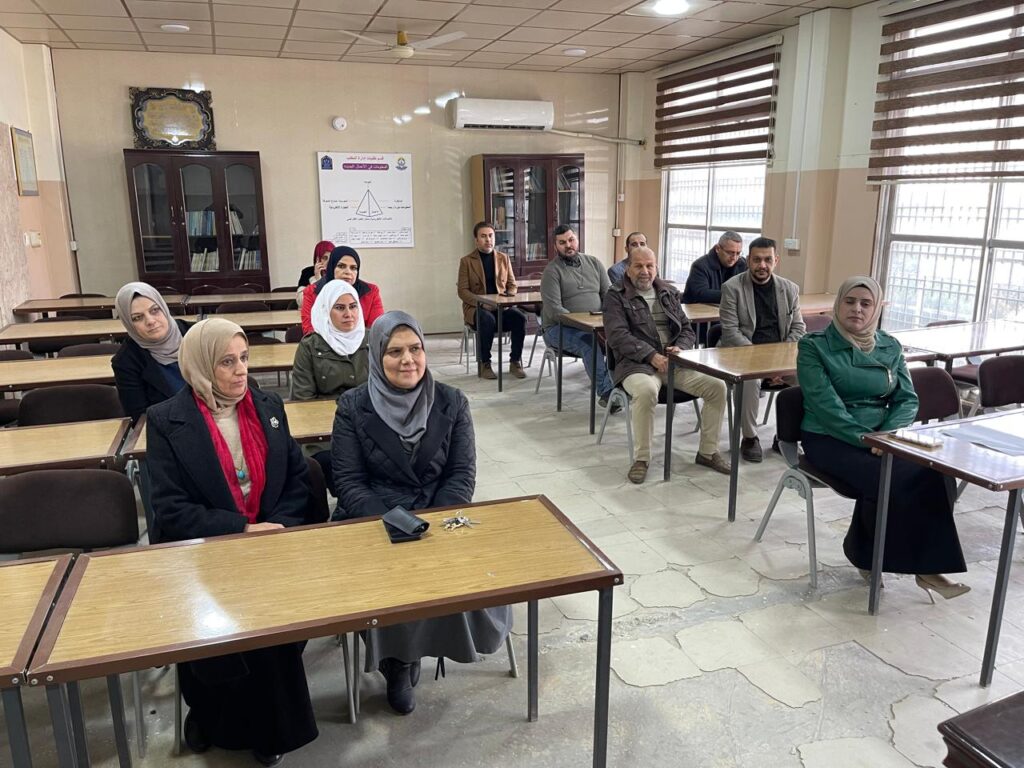
The course was held from December 14th to December 18th, 2025, in the institute’s meeting hall, and was attended by a number of faculty members and staff.